Turn every class session into active learning – not lecture time
Maximize your impact outside of class with cinematic, customizable textbooks and real-time data, backed by a powerful assessment platform.
Is Blended Teaching Right For You?
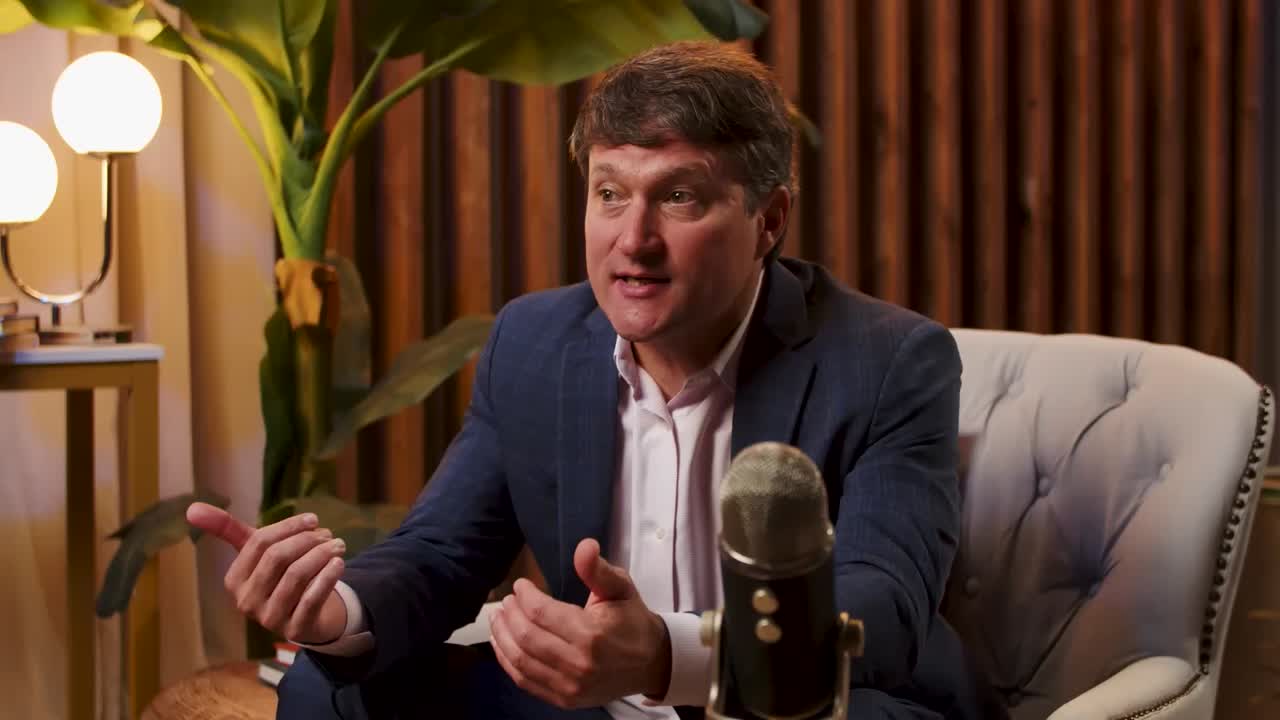
What is it?
Blended Teaching is a video-based learning platform for finance and real estate fundamentals. Students watch expert-taught videos and complete auto-graded assignments outside class - ensuring they arrive to your sessions already prepared.
Who’s it for?
Instructors teaching Finance Fundamentals or Real Estate Principles who want productive class time - not re-teaching basics to unprepared students.
What does this replace?
Traditional textbooks students won't read. Self-created video lectures that take 10+ hours per module. The mental load of 'I have to build all of this myself.'
The Impact 🚀
~5 Hrs
saved per week on content prep
80%
viewing rates vs. 5% textbook reading rates
100%
transparency - know exactly who's prepared before class even starts

"In the first four weeks, I have probably saved at least five hours a week just in prepping content, slides, what the readings are going to be for the week."
Dr. Cliff Lipscombe | University of Auburn
Used By Faculty At AACSB Business Schools
From Sign-Up To First Class In Four Steps
1. Customize Your Course
Select the topics you're covering this semester. Use entire chapters or pick individual sections - like pulling just the tax module for one week, or combining bond valuation with your own mortgage amortization content
Most instructors finalize their course structure in one 45-minute call with our team.
2. Students Purchase & Start Learning
Students purchase access (typically $125 for the semester) and start watching videos. You see exactly who's accessed what through the progress dashboard - no more guessing if they did the prep work.
Integration options: Embed directly in Canvas/Blackboard, or students access via separate login (both work seamlessly).
3. Track Student Progress
Before each class, check your dashboard: Who watched the videos? Who completed the quiz? Who's falling behind? Now when a student emails saying 'I'm struggling,' you can see if they've actually engaged with the material - or if they haven't opened it yet.
One instructor told us: 'I can finally have evidence-based conversations with students instead of taking their word that they did the work.'
4. Focus Class Time on What Matters
Students arrive having already seen the DCF explanation, the cap rate formula, the bond pricing mechanics. Now your class time becomes:
You're not lecturing. You're teaching.
👉 See Sample Modules From Your Course

"The videos are much, much better than other videos in the market. Many students have taken summer prep courses and the videos they saw were nothing like the ones by Blended Teaching."
Dr. Ioannis Branikas | University of Oregon
Three Ways Blended Teaching Changes Your Teaching
🔁🤯
Stop Re-Teaching to Unprepared Students
Now you can walk into class knowing who's prepared and who isn't.
The progress dashboard shows you exactly which students watched the videos, completed the quizzes, and are ready to engage. No more 'awkward silence when you ask a question everyone should know.' No more spending the first 15 minutes catching people up.
So you can start class at the level students should be at - not the level they actually are when they didn't do the reading.
📊📈
Smooth Knowledge Heterogeneity
Now you can get all students to the same baseline - regardless of background.
Some students arrive having worked in banking. Others have never heard of NPV. With Blended Teaching, everyone watches the same foundational content before class. The students without experience catch up. The advanced students refresh and move faster.
So you can teach to the whole class - not just the middle - and avoid leaving beginners behind or boring experienced students.
⏳📝
Reclaim 5+ Hours Per Week
Now you can stop creating basic content and start designing meaningful experiences
Instructors report saving 5+ hours per week in content prep during the first semester. No more recording your own lecture videos. No more building quizzes from scratch. No more hunting through publisher portals for 'supplemental resources' that don't quite fit.
So you can spend that time on what actually differentiates your teaching - case development, in-class activities, personalized feedback, or (let's be honest) your research obligations.

“By taking the nuts and bolts off the table, so to speak, we can jump right into the good stuff. It allows me to focus a greater portion of classroom time on special guests and topics they bring.”
Dr. Shelton Weeks | FGCU
From Panic To Launch: 75 Students, Two Course Formats, Three Weeks
- The Situation
Department chair to instructor: "These classes are going live this fall." Instructor response: "This fall? This is the first time I've heard about this. We haven't even picked a textbook yet."
- The Reality
This required 2 class formats, online and in-person. Creating 10+ modules of original video content = 2-3 weeks of full-time work. Plus building the in-person version.
3. What Made It Possible
- Expert-taught videos already recorded and ready to assign
- Could customize and organize content in one 45-minute planning session
- Same foundational content worked for both online and in-person formats
- Time freed up went to designing interactive activities (students analyzing real companies, not watching him explain ratios)
4. The Outcome
Course launched. 75 students enrolled. Flipped classroom working. Department chair happy.

"The time saving is the big thing. The class didn't make until mid-December and we're trying to be up and going by the first week of January."
Dr. Caleb Houston | UAB
Is Blended Teaching Right For Your Class?
I already have great slides and materials. Why would I switch?
You don't have to choose. Many of our most successful instructors keep their own slides for class and use Blended Teaching for out-of-class prep. Think of it as your students' 'required reading' - except they'll actually do it because it's video, not a 40-page textbook chapter.
Your slides stay. Your teaching style stays. You're just not re-teaching TVM basics to students who should have learned it last week.
Will students actually watch videos? Or will this be like assigned readings they ignore?
Viewing rates average 14 hours. Why? Because: One instructor shows students the progress dashboard on Day 1: 'I can see everything you do. So don't come to office hours saying you're lost if you haven't watched the videos.'
What if my students complain about paying for another platform?
Blended Teaching typically costs $125 for a semester compared to $150-200 for McGraw Hill or Pearson. Most students prefer this model. They're paying less and getting content they'll actually use - not a digital textbook they never access.
What if I teach a specialized topic or an advanced class?
Blended Teaching works best for foundational courses: Finance Principles, Corporate Finance fundamentals, Real Estate Principles, Real Estate Finance. If you're teaching Derivatives Pricing or Advanced Portfolio Theory, this probably isn't for you. But if you teach the intro course that everyone needs before they get to your advanced seminar - this will make that intro course significantly better.
👉 Download: The Flipped Classroom Quick-Start Guide for Finance & Real Estate Faculty 👈
"If I hadn't worked with [Blended Teaching], I would not have had time to create those activities. They do in-class activities every day - I talk for maybe 40 minutes, then they spend the next 30-45 minutes problem solving because that's better learning for them."
Dr. Kat Grimsley | University of Illinois

Book A Demo
hey@blended-teaching.com
Turn every class session into active learning – not lecture time
Maximize your impact outside of class with cinematic, customizable textbooks and real-time student performance data, backed by a powerful assessment platform.
Is Blended Teaching Right For You?
What is it?
Blended Teaching is a video-based learning platform for finance and real estate fundamentals. Students watch expert-taught videos and complete auto-graded assignments outside class - ensuring they arrive to your sessions already prepared.
Who’s it for?
Instructors teaching Finance Fundamentals or Real Estate Principles who want productive class time - not re-teaching basics to unprepared students.
What does this replace?
Traditional textbooks students won't read. Self-created video lectures that take 10+ hours per module. The mental load of 'I have to build all of this myself.'
The Impact 🚀
~5 Hrs
saved per week on content prep
80%
viewing rates vs. 5% textbook reading rates
100%
transparency - know exactly who's prepared before class even starts
"In the first four weeks, I have probably saved at least five hours a week just in prepping content, slides, what the readings are going to be for the week."
Dr. Cliff Lipscombe | University of Auburn
Used By Faculty At AACSB Business Schools
From Sign-Up To First Class In Four Steps
1. Customize Your Course
Select the topics you're covering this semester. Use entire chapters or pick individual sections - like pulling just the tax module for one week, or combining bond valuation with your own mortgage amortization content
Most instructors finalize their course structure in one 45-minute call with our team.
2. Students Purchase & Start Learning
Students purchase access (typically $125 for the semester) and start watching videos. You see exactly who's accessed what through the progress dashboard - no more guessing if they did the prep work.
Integration options: Embed directly in Canvas/Blackboard, or students access via separate login (both work seamlessly).
3. Track Student Progress
Before each class, check your dashboard: Who watched the videos? Who completed the quiz? Who's falling behind? Now when a student emails saying 'I'm struggling,' you can see if they've actually engaged with the material - or if they haven't opened it yet.
One instructor told us: 'I can finally have evidence-based conversations with students instead of taking their word that they did the work.'
4. Focus Class Time on What Matters
Students arrive having already seen the DCF explanation, the cap rate formula, the bond pricing mechanics. Now your class time becomes:
You're not lecturing. You're teaching.
👉 See Sample Modules From Your Course
"The videos are much, much better than other videos in the market. Many students have taken summer prep courses and the videos they saw were nothing like the ones by Blended Teaching."
Dr. Ioannis Branikas | University of Oregon
Three Ways Blended Teaching Changes Your Teaching
🔁🤯
Stop Re-Teaching to Unprepared Students
Now you can walk into class knowing who's prepared and who isn't.
The progress dashboard shows you exactly which students watched the videos, completed the quizzes, and are ready to engage. No more 'awkward silence when you ask a question everyone should know.' No more spending the first 15 minutes catching people up.
So you can start class at the level students should be at - not the level they actually are when they didn't do the reading.
📊📈
Smooth Knowledge Heterogeneity
Now you can get all students to the same baseline - regardless of background.
Some students arrive having worked in banking. Others have never heard of NPV. With Blended Teaching, everyone watches the same foundational content before class. The students without experience catch up. The advanced students refresh and move faster.
So you can teach to the whole class - not just the middle - and avoid leaving beginners behind or boring experienced students.
⏳📝
Reclaim 5+ Hours Per Week
Now you can stop creating basic content and start designing meaningful experiences
Instructors report saving 5+ hours per week in content prep during the first semester. No more recording your own lecture videos. No more building quizzes from scratch. No more hunting through publisher portals for 'supplemental resources' that don't quite fit.
So you can spend that time on what actually differentiates your teaching - case development, in-class activities, personalized feedback, or (let's be honest) your research obligations.
“By taking the nuts and bolts off the table, so to speak, we can jump right into the good stuff. It allows me to focus a greater portion of classroom time on special guests and topics they bring.”
Dr. Shelton Weeks | FGCU
From Panic To Launch: 75 Students, Two Course Formats, Three Weeks
- The Situation
Department chair to instructor: "These classes are going live this fall." Instructor response: "This fall? This is the first time I've heard about this. We haven't even picked a textbook yet."
- The Reality
This required 2 class formats, online and in-person. Creating 10+ modules of original video content = 2-3 weeks of full-time work. Plus building the in-person version.
3. What Made It Possible
- Expert-taught videos already recorded and ready to assign
- Could customize and organize content in one 45-minute planning session
- Same foundational content worked for both online and in-person formats
- Time freed up went to designing interactive activities (students analyzing real companies, not watching him explain ratios)
4. The Outcome
Course launched. 75 students enrolled. Flipped classroom working. Department chair happy.
"The time saving is the big thing. The class didn't make until mid-December and we're trying to be up and going by the first week of January."
Dr. Caleb Houston | UAB
Is Blended Teaching Right For Your Class?
I already have great slides and materials. Why would I switch?
You don't have to choose. Many of our most successful instructors keep their own slides for class and use Blended Teaching for out-of-class prep. Think of it as your students' 'required reading' - except they'll actually do it because it's video, not a 40-page textbook chapter.
Your slides stay. Your teaching style stays. You're just not re-teaching TVM basics to students who should have learned it last week.
Will students actually watch videos? Or will this be like assigned readings they ignore?
Viewing rates average 14 hours. Why? Because: One instructor shows students the progress dashboard on Day 1: 'I can see everything you do. So don't come to office hours saying you're lost if you haven't watched the videos.'
What if my students complain about paying for another platform?
Blended Teaching typically costs $125 for a semester compared to $150-200 for McGraw Hill or Pearson. Most students prefer this model. They're paying less and getting content they'll actually use - not a digital textbook they never access.
What if I teach a specialized topic or an advanced class?
Blended Teaching works best for foundational courses: Finance Principles, Corporate Finance fundamentals, Real Estate Principles, Real Estate Finance. If you're teaching Derivatives Pricing or Advanced Portfolio Theory, this probably isn't for you. But if you teach the intro course that everyone needs before they get to your advanced seminar - this will make that intro course significantly better.
👉 Download: The Flipped Classroom Quick-Start Guide for Finance & Real Estate Faculty 👈
"If I hadn't worked with [Blended Teaching], I would not have had time to create those activities. They do in-class activities every day - I talk for maybe 40 minutes, then they spend the next 30-45 minutes problem solving because that's better learning for them."
Dr. Kat Grimsley | University of Illinois
Compare Your Options
See how Blended Teaching compares to traditional approaches. TL;DR Blended Teaching is a good fit for intro classes where you want to use active learning, or for async classes where a large volume of engaging video content is needed. It’s currently not great for advanced classes due to lack of advanced content.
Your Options
Pros
Cons

Traditional Textbook (Pearson, McGraw-Hill, Wiley)
Comprehensive content, Publisher support materials, Familiar structure
Students won't read it ($200-300 for too many pages), Test banks leak online within days, Can't customize - you're stuck with their chapter order, Zero visibility into student engagement

Create Your Own Videos
Complete control over content, Perfectly aligned to your teaching style, Can update anytime
10-15 hours per module to create, Have to build quizzes separately, Have to create slides separately, First attempt at explaining on camera (not polished), Redoing everything when content needs updating
'Seminar Style' (Assign Journal Articles)
Works great for advanced students, Low cost to students, Develops critical thinking
Assumes students have baseline knowledge (they often don't), 'Can someone summarize?' = awkward silence, End up re-teaching basics in class anyway
Blended Teaching
Students actually engage (80%+ viewing rate), See exactly who's prepared before class, Saves 5+ hours/week in prep, Expert-taught, professionally produced, Customizable modules, Fair pricing ($125 vs $200-300)
Not for advanced/specialized courses, Requires students to purchase access, Works best for foundational topics
👉 Book A 15-Min Demo Call
Book A Demo
hey@blended-teaching.com
Turn every class session into active learning – not lecture time
Maximize your impact outside of class with cinematic, customizable textbooks and real-time data, backed by a powerful assessment platform.
Is Blended Teaching Right For You?
What is it?
Blended Teaching is a video-based learning platform for finance and real estate fundamentals. Students watch expert-taught videos and complete auto-graded assignments outside class - ensuring they arrive to your sessions already prepared.
Who’s it for?
Instructors teaching Finance Fundamentals or Real Estate Principles who want productive class time - not re-teaching basics to unprepared students.
What does this replace?
Traditional textbooks students won't read. Self-created video lectures that take 10+ hours per module. The mental load of 'I have to build all of this myself.'
The Impact 🚀
~5 Hrs
saved per week on content prep
80%
viewing rates vs. 5% textbook reading rates
100%
transparency - know exactly who's prepared before class even starts
"In the first four weeks, I have probably saved at least five hours a week just in prepping content, slides, what the readings are going to be for the week."
Dr. Cliff Lipscombe | University of Auburn
Used By Faculty At AACSB Business Schools
From Sign-Up To First Class In Four Steps
1. Customize Your Course
Select the topics you're covering this semester. Use entire chapters or pick individual sections - like pulling just the tax module for one week, or combining bond valuation with your own mortgage amortization content
Most instructors finalize their course structure in one 45-minute call with our team.
2. Students Purchase & Start Learning
Students purchase access (typically $125 for the semester) and start watching videos. You see exactly who's accessed what through the progress dashboard - no more guessing if they did the prep work.
Integration options: Embed directly in Canvas/Blackboard, or students access via separate login (both work seamlessly).
3. Track Student Progress
Before each class, check your dashboard: Who watched the videos? Who completed the quiz? Who's falling behind? Now when a student emails saying 'I'm struggling,' you can see if they've actually engaged with the material - or if they haven't opened it yet.
One instructor told us: 'I can finally have evidence-based conversations with students instead of taking their word that they did the work.'
4. Focus Class Time on What Matters
Students arrive having already seen the DCF explanation, the cap rate formula, the bond pricing mechanics. Now your class time becomes:
You're not lecturing. You're teaching.
👉 See Sample Modules From Your Course
"The videos are much, much better than other videos in the market. Many students have taken summer prep courses and the videos they saw were nothing like the ones by Blended Teaching."
Dr. Ioannis Branikas | University of Oregon
Three Ways Blended Teaching Changes Your Teaching
🔁🤯
Stop Re-Teaching to Unprepared Students
Now you can walk into class knowing who's prepared and who isn't.
The progress dashboard shows you exactly which students watched the videos, completed the quizzes, and are ready to engage. No more 'awkward silence when you ask a question everyone should know.' No more spending the first 15 minutes catching people up.
So you can start class at the level students should be at - not the level they actually are when they didn't do the reading.
📊📈
Smooth Knowledge Heterogeneity
Now you can get all students to the same baseline - regardless of background.
Some students arrive having worked in banking. Others have never heard of NPV. With Blended Teaching, everyone watches the same foundational content before class. The students without experience catch up. The advanced students refresh and move faster.
So you can teach to the whole class - not just the middle - and avoid leaving beginners behind or boring experienced students.
⏳📝
Reclaim 5+ Hours Per Week
Now you can stop creating basic content and start designing meaningful experiences
Instructors report saving 5+ hours per week in content prep during the first semester. No more recording your own lecture videos. No more building quizzes from scratch. No more hunting through publisher portals for 'supplemental resources' that don't quite fit.
So you can spend that time on what actually differentiates your teaching - case development, in-class activities, personalized feedback, or (let's be honest) your research obligations.
“By taking the nuts and bolts off the table, so to speak, we can jump right into the good stuff. It allows me to focus a greater portion of classroom time on special guests and topics they bring.”
Dr. Shelton Weeks | FGCU
From Panic To Launch: 75 Students, Two Course Formats, Three Weeks
- The Situation
Department chair to instructor: "These classes are going live this fall." Instructor response: "This fall? This is the first time I've heard about this. We haven't even picked a textbook yet."
- The Reality
This required 2 class formats, online and in-person. Creating 10+ modules of original video content = 2-3 weeks of full-time work. Plus building the in-person version.
3. What Made It Possible
- Expert-taught videos already recorded and ready to assign
- Could customize and organize content in one 45-minute planning session
- Same foundational content worked for both online and in-person formats
- Time freed up went to designing interactive activities (students analyzing real companies, not watching him explain ratios)
4. The Outcome
Course launched. 75 students enrolled. Flipped classroom working. Department chair happy.
"The time saving is the big thing. The class didn't make until mid-December and we're trying to be up and going by the first week of January."
Dr. Caleb Houston | UAB
Is Blended Teaching Right For Your Class?
I already have great slides and materials. Why would I switch?
You don't have to choose. Many of our most successful instructors keep their own slides for class and use Blended Teaching for out-of-class prep. Think of it as your students' 'required reading' - except they'll actually do it because it's video, not a 40-page textbook chapter.
Your slides stay. Your teaching style stays. You're just not re-teaching TVM basics to students who should have learned it last week.
Will students actually watch videos? Or will this be like assigned readings they ignore?
Viewing rates average 14 hours. Why? Because: One instructor shows students the progress dashboard on Day 1: 'I can see everything you do. So don't come to office hours saying you're lost if you haven't watched the videos.'
What if my students complain about paying for another platform?
Blended Teaching typically costs $125 for a semester compared to $150-200 for McGraw Hill or Pearson. Most students prefer this model. They're paying less and getting content they'll actually use - not a digital textbook they never access.
What if I teach a specialized topic or an advanced class?
Blended Teaching works best for foundational courses: Finance Principles, Corporate Finance fundamentals, Real Estate Principles, Real Estate Finance. If you're teaching Derivatives Pricing or Advanced Portfolio Theory, this probably isn't for you. But if you teach the intro course that everyone needs before they get to your advanced seminar - this will make that intro course significantly better.
👉 Download: The Flipped Classroom Quick-Start Guide for Finance & Real Estate Faculty 👈
"If I hadn't worked with [Blended Teaching], I would not have had time to create those activities. They do in-class activities every day - I talk for maybe 40 minutes, then they spend the next 30-45 minutes problem solving because that's better learning for them."
Dr. Kat Grimsley | University of Illinois
Compare Your Options
See how Blended Teaching compares to traditional approaches. TL;DR Blended Teaching is a good fit for intro classes where you want to use active learning, or for async classes where a large volume of engaging video content is needed. It’s currently not great for advanced classes due to lack of advanced content.
Your Options
Pros
Cons
Traditional Textbook (Pearson, McGraw-Hill, Wiley)
Comprehensive content, Publisher support materials, Familiar structure
Students won't read it ($200-300 for too many pages), Test banks leak online within days, Can't customize - you're stuck with their chapter order, Zero visibility into student engagement
Create Your Own Videos
Complete control over content, Perfectly aligned to your teaching style, Can update anytime
10-15 hours per module to create, Have to build quizzes separately, Have to create slides separately, First attempt at explaining on camera (not polished), Redoing everything when content needs updating
'Seminar Style' (Assign Journal Articles)
Works great for advanced students, Low cost to students, Develops critical thinking
Assumes students have baseline knowledge (they often don't), 'Can someone summarize?' = awkward silence, End up re-teaching basics in class anyway
Blended Teaching
Students actually engage (80%+ viewing rate), See exactly who's prepared before class, Saves 5+ hours/week in prep, Expert-taught, professionally produced, Customizable modules, Fair pricing ($125 vs $200-300)
Not for advanced/specialized courses, Requires students to purchase access, Works best for foundational topics
👉 Book A 15-Min Demo Call
Book A Demo
hey@blended-teaching.com
Turn every class session into active learning – not lecture time
Maximize your impact outside of class with cinematic, customizable textbooks and real-time data, backed by a powerful assessment platform.
Is Blended Teaching Right For You?
What is it?
Blended Teaching is a video-based learning platform for finance and real estate fundamentals. Students watch expert-taught videos and complete auto-graded assignments outside class - ensuring they arrive to your sessions already prepared.
Who’s it for?
Instructors teaching Finance Fundamentals or Real Estate Principles who want productive class time - not re-teaching basics to unprepared students.
What does this replace?
Traditional textbooks students won't read. Self-created video lectures that take 10+ hours per module. The mental load of 'I have to build all of this myself.'
The Impact 🚀
~5 Hrs
saved per week on content prep
80%
viewing rates vs. 5% textbook reading rates
100%
transparency - know exactly who's prepared before class even starts
"In the first four weeks, I have probably saved at least five hours a week just in prepping content, slides, what the readings are going to be for the week."
Dr. Cliff Lipscombe | University of Auburn
Used By Faculty At AACSB Business Schools
From Sign-Up To First Class In Four Steps
1. Customize Your Course
Select the topics you're covering this semester. Use entire chapters or pick individual sections - like pulling just the tax module for one week, or combining bond valuation with your own mortgage amortization content
Most instructors finalize their course structure in one 45-minute call with our team.
2. Students Purchase & Start Learning
Students Purchase & Start LearningStudents purchase access (typically $125 for the semester) and start watching videos. You see exactly who's accessed what through the progress dashboard - no more guessing if they did the prep work.
Integration options: Embed directly in Canvas/Blackboard, or students access via separate login (both work seamlessly).
3. Track Student Progress
Before each class, check your dashboard: Who watched the videos? Who completed the quiz? Who's falling behind? Now when a student emails saying 'I'm struggling,' you can see if they've actually engaged with the material - or if they haven't opened it yet.
One instructor told us: 'I can finally have evidence-based conversations with students instead of taking their word that they did the work.'
4. Focus Class Time on What Matters
Students arrive having already seen the DCF explanation, the cap rate formula, the bond pricing mechanics. Now your class time becomes:
You're not lecturing. You're teaching.
👉 See Sample Modules From Your Course
"The videos are much, much better than other videos in the market. Many students have taken summer prep courses and the videos they saw were nothing like the ones by Blended Teaching."
Dr. Ioannis Branikas | University of Oregon
Three Ways Blended Teaching Changes Your Teaching
🔁🤯
Stop Re-Teaching to Unprepared Students
Now you can walk into class knowing who's prepared and who isn't.
The progress dashboard shows you exactly which students watched the videos, completed the quizzes, and are ready to engage. No more 'awkward silence when you ask a question everyone should know.' No more spending the first 15 minutes catching people up.
So you can start class at the level students should be at - not the level they actually are when they didn't do the reading.
📊📈
Smooth Knowledge Heterogeneity
Now you can get all students to the same baseline - regardless of background.
Some students arrive having worked in banking. Others have never heard of NPV. With Blended Teaching, everyone watches the same foundational content before class. The students without experience catch up. The advanced students refresh and move faster.
So you can teach to the whole class - not just the middle - and avoid leaving beginners behind or boring experienced students.
⏳📝
Reclaim 5+ Hours Per Week
Now you can stop creating basic content and start designing meaningful experiences
Instructors report saving 5+ hours per week in content prep during the first semester. No more recording your own lecture videos. No more building quizzes from scratch. No more hunting through publisher portals for 'supplemental resources' that don't quite fit.
So you can spend that time on what actually differentiates your teaching - case development, in-class activities, personalized feedback, or (let's be honest) your research obligations.
“By taking the nuts and bolts off the table, so to speak, we can jump right into the good stuff. It allows me to focus a greater portion of classroom time on special guests and topics they bring.”
Dr. Shelton Weeks | FGCU
From Panic To Launch: 75 Students, Two Course Formats, Three Weeks
- The Situation
Department chair to instructor: "These classes are going live this fall." Instructor response: "This fall? This is the first time I've heard about this. We haven't even picked a textbook yet."
- The Reality
This required 2 class formats, online and in-person. Creating 10+ modules of original video content = 2-3 weeks of full-time work. Plus building the in-person version.
3. What Made It Possible
- Expert-taught videos already recorded and ready to assign
- Could customize and organize content in one 45-minute planning session
- Same foundational content worked for both online and in-person formats
- Time freed up went to designing interactive activities (students analyzing real companies, not watching him explain ratios)
4. The Outcome
Course launched. 75 students enrolled. Flipped classroom working. Department chair happy.
"The time saving is the big thing. The class didn't make until mid-December and we're trying to be up and going by the first week of January."
Dr. Caleb Houston | UAB
Is Blended Teaching Right For Your Class?
I already have great slides and materials. Why would I switch?
You don't have to choose. Many of our most successful instructors keep their own slides for class and use Blended Teaching for out-of-class prep. Think of it as your students' 'required reading' - except they'll actually do it because it's video, not a 40-page textbook chapter.
Your slides stay. Your teaching style stays. You're just not re-teaching TVM basics to students who should have learned it last week.
Will students actually watch videos? Or will this be like assigned readings they ignore?
Viewing rates average 14 hours. Why? Because: One instructor shows students the progress dashboard on Day 1: 'I can see everything you do. So don't come to office hours saying you're lost if you haven't watched the videos.'
What if my students complain about paying for another platform?
Blended Teaching typically costs $125 for a semester compared to $150-200 for McGraw Hill or Pearson. Most students prefer this model. They're paying less and getting content they'll actually use - not a digital textbook they never access.
What if I teach a specialized topic or an advanced class?
Blended Teaching works best for foundational courses: Finance Principles, Corporate Finance fundamentals, Real Estate Principles, Real Estate Finance. If you're teaching Derivatives Pricing or Advanced Portfolio Theory, this probably isn't for you. But if you teach the intro course that everyone needs before they get to your advanced seminar - this will make that intro course significantly better.
👉 Download: The Flipped Classroom Quick-Start Guide for Finance & Real Estate Faculty 👈
"If I hadn't worked with [Blended Teaching], I would not have had time to create those activities. They do in-class activities every day - I talk for maybe 40 minutes, then they spend the next 30-45 minutes problem solving because that's better learning for them."
Dr. Kat Grimsley | University of Illinois
Compare Your Options
See how Blended Teaching compares to traditional approaches. TL;DR Blended Teaching is a good fit for intro classes where you want to use active learning, or for async classes where a large volume of engaging video content is needed. It’s currently not great for advanced classes due to lack of advanced content.
Your Options
Pros
Cons
Traditional Textbook (Pearson, McGraw-Hill, Wiley)
Comprehensive content, Publisher support materials, Familiar structure
Students won't read it ($200-300 for too many pages), Test banks leak online within days, Can't customize - you're stuck with their chapter order, Zero visibility into student engagement

Create Your Own Videos
Complete control over content, Perfectly aligned to your teaching style, Can update anytime
10-15 hours per module to create, Have to build quizzes separately, Have to create slides separately, First attempt at explaining on camera (not polished), Redoing everything when content needs updating
'Seminar Style' (Assign Journal Articles)
Works great for advanced students, Low cost to students, Develops critical thinking
Assumes students have baseline knowledge (they often don't), 'Can someone summarize?' = awkward silence, End up re-teaching basics in class anyway
Blended Teaching
Students actually engage (80%+ viewing rate), See exactly who's prepared before class, Saves 5+ hours/week in prep, Expert-taught, professionally produced, Customizable modules, Fair pricing ($125 vs $200-300)
Not for advanced/specialized courses, Requires students to purchase access, Works best for foundational topics
👉 Book A 15-Min Demo Call
Book A Demo
hey@blended-teaching.com